
All of these factors contribute to a restless night with more awakenings and reduced deep sleep stages. Since deep sleep is essential for physical recovery and immune function, its loss means you’ll likely wake up tired, groggy, and unrefreshed—no matter how many hours you spent in bed. When alcohol enters your system, its impact on sleep doesn’t stop once you fall asleep.
Strategies for Mitigating Alcohol’s Negative Impact on Sleep
Even a month-long break from alcohol provides a window of time for the body to focus on repair and regulation, which may support your weight management efforts. Benzodiazepines are among the most commonly prescribed medications. They’re an important means of treating many conditions, ranging from mental health disorders to brain-related diseases. While these medications can treat many conditions and help millions, they’re not without risks. If your healthcare provider prescribes one of these medications, don’t hesitate to ask for guidance, and take the medications exactly as prescribed. That way, you can benefit from these medications and reduce the risk of problems along the way.
Kidney Damage
- These study designs can’t establish causality, so you shouldn’t interpret them as evidence that drinking prevents weight gain.
- But other things people do, or healthy habits that people don’t do, may be the cause of the higher risk.
- And keep loved ones in the loop about how prednisone affects your emotional state.
- All of these factors contribute to a restless night with more awakenings and reduced deep sleep stages.
Chronic, heavy drinking raises the risk for ischemic heart disease (heart problems caused by narrowed arteries) and myocardial infarction (heart attack). Yes, withdrawal is a possible complication of misusing benzodiazepines. Unfortunately, it’s also possible with long-term use of these drugs even when you take them as prescribed. If you have concerns about dependence and withdrawal from benzodiazepines, your healthcare provider can help you plan the timeline for your treatment. They can also recommend switching you to longer-acting benzodiazepines, which are less likely to cause withdrawal symptoms.
Other Long-Term Health Effects
Drinking a lot on a single occasion slows the body’s ability to ward off infections–even up to 24 hours later. Alcohol interferes with the brain’s communication pathways and can affect the way the brain looks and works. These disruptions can change mood and behavior and make it harder to think clearly and move with coordination. More information about alcohol’s effects on the brain is available on NIAAA’s topic page on Alcohol and The Brain. Find up-to-date statistics on lifetime drinking, past-year drinking, past-month drinking, binge drinking, heavy alcohol use, and high-intensity drinking.
Can you use GLP-1s while breastfeeding?

In general, it is safest to take in small amounts of sugar substitutes. And it’s best to use sugar substitutes for a short time, or just every once in a while. Sugar alcohols, stevia and luo han guo can cause bloating, gas and diarrhea.
Drug Enforcement Administration (DEA) as a Schedule II stimulant, which makes it legally available only through a nonrefillable prescription. Cannabis, which some people call marijuana, refers to the dried leaves, flowers, stems, and seeds of the Cannabis sativa L plant. The plant contains at least 125 different cannabinoids,1 including delta-9 tetrahydrocannabinol (THC). Delta-9 THC is the most abundant form of THC in the cannabis plant.
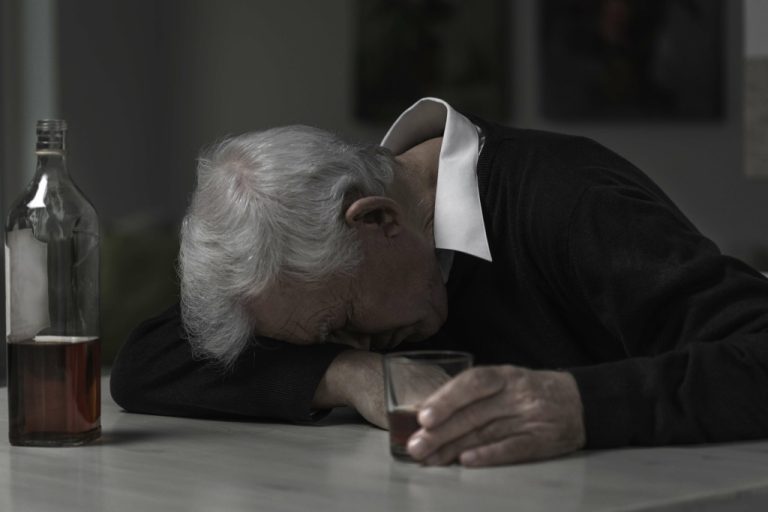
There is also evidence that alcohol can disrupt or delay puberty. Current research points to health risks even at low amounts of http://www.greenbusinessteam.se/blog/2021/05/05/chs-symptoms-signs-stages-causes-treatment-for-2/ alcohol consumption, regardless of beverage type. Keep reading for more information on how alcohol can affect your body. Benzodiazepines are a class of medications that slow down activity in your brain and nervous system. They’re most often used for treating anxiety and related mental health conditions, as well as brain-related conditions like seizures.
At least 9 people dead as severe winter storm sweeps the nation
You may like to read some more about alcoholism symptoms alcohol consumption and risks . If you or a loved one is experiencing the effects of alcohol on the body, don’t hesitate to make a change. Heavy drinking can affect the liver, which is our body’s natural detoxifying organ.
Act to manage stress

Even a single drink can begin to impair these cognitive functions, though the effects become more pronounced as blood alcohol concentration (BAC) rises. At a BAC of 0.05%, individuals often experience a false sense of confidence, leading to riskier decisions. For instance, someone might overestimate their ability to drive safely or engage in confrontations they would typically avoid. This altered judgment isn’t just a minor inconvenience—it’s a significant factor in accidents, injuries, and regrettable choices. Other research is looking at long-term use of sugar substitutes and the gut. Researchers are checking to see if sugar substitutes affect cravings for sweets, the way people feel hunger and how the body manages blood sugar.
Free Healthbeat Signup
For those in social settings, choosing activities that don’t what is alcoholism require precise coordination—like seated conversations instead of dancing—can minimize the risk of accidents. Additionally, understanding individual tolerance levels, influenced by factors like age, weight, and metabolism, is crucial for making informed decisions. Your provider will work with you to find a sweet spot between managing your condition and minimizing side effects.
With continued alcohol use, steatotic liver disease can lead to liver fibrosis. Eventually, you can develop permanent and irreversible scarring in your liver, which is called cirrhosis. Steatotic liver disease used to go by the name Long term Effects of Alcohol on the Body fatty liver disease.
